
I absolutely adore sharing this New York Cheesecake with Classic Shortbread Crust Recipe because it perfectly combines the rich, creamy texture of a classic New York cheesecake with a buttery, delicate shortbread crust that feels special yet comforting. Every bite melts in your mouth, and for me, there’s nothing quite like the way the simple shortbread adds a subtle crunch and buttery depth that perfectly balances the smooth, velvety filling. This cheesecake has become one of my favorite go-to desserts whether I’m celebrating a special occasion or simply want to treat myself to something truly indulgent at home.
Why You’ll Love This New York Cheesecake with Classic Shortbread Crust Recipe
What I find so irresistible about this New York Cheesecake with Classic Shortbread Crust Recipe is its flavor profile that’s both classic and inviting. The cream cheese filling is luxuriously smooth with just the right touch of sweetness, a hint of vanilla, and a slight vanilla kiss from the heavy cream. The crust, made with buttery shortbread dough, isn’t overly sweet but gives such a satisfying texture and gentle flavor contrast. It’s the kind of dessert that feels rich without being overwhelming—perfect for anyone who loves that classic cheesecake experience.
One of the reasons I keep coming back to this recipe is how straightforward and approachable it feels. I appreciate that the ingredients are simple and easy to find, yet the result feels so elegant and impressive. The step-by-step baking technique ensures a perfectly smooth, crack-free cheesecake every time, which can be a real confidence booster. Plus, it’s ideal for so many occasions—from casual family gatherings to festive holidays or even dinner parties where you want a memorable dessert. That balance of ease, elegance, and tradition is what makes this recipe truly stand out in my baking repertoire.
Ingredients You’ll Need
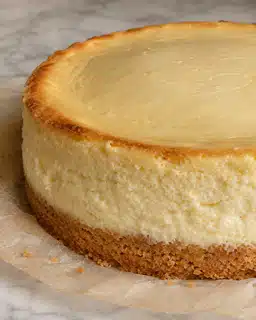
Each ingredient in this cheesecake is thoughtfully chosen to create the perfect harmony of texture and flavor without complicating the process. The combination is simple, but every item plays its essential role in bringing the cheesecake to life.
- Flour for crust: Provides structure and a tender base for the shortbread crust.
- Sugar for crust: Adds just the right touch of sweetness to complement the buttery dough.
- Egg for crust: Binds the shortbread ingredients together perfectly.
- Softened butter for crust: Gives the crust its rich, buttery flavor and crumbly texture.
- Cream cheese for filling: The essential creamy base that defines this cheesecake.
- Sugar for filling: Sweetens the filling to balance the tangy cream cheese.
- Flour for filling: Helps stabilize the filling and gives a light firmness.
- Salt: Enhances all the flavors and keeps the sweetness from being one-dimensional.
- Eggs and egg yolks: Provide richness and help the cheesecake set beautifully.
- Heavy cream: Adds creaminess and smooth texture to the filling.
- Alcohol-free vanilla: Infuses subtle, warm vanilla notes that complete the flavor profile.
Directions
Step 1: Preheat your oven to 400°F (200°C) and grease a deep 9-inch springform pan. I also line the bottom and sides with parchment paper to make sure the cheesecake releases beautifully after baking.
Step 2: Combine the flour, sugar, egg, and softened butter in a bowl until a uniform dough forms. I find that using my hands or a pastry cutter helps mix everything evenly without overworking the dough.
Step 3: Press the shortbread dough firmly across the bottom and slightly up the sides of the pan. Don’t forget to prick the crust gently with a fork to prevent bubbling during baking. Bake it at 400°F for about 15 minutes until it’s set and lightly golden.
Step 4: Once the crust is ready, increase the oven temperature to 475°F (245°C). This higher temperature jump-starts the baking of the cream cheese filling.
Step 5: In a large bowl, beat the cream cheese, sugar, flour, and salt together until the mixture is smooth and creamy without lumps. I love using a stand mixer on medium speed here.
Step 6: Add in the eggs and egg yolks one at a time, mixing gently to incorporate without adding too much air. Then fold in the heavy cream and the vanilla extract until the filling is silky and uniform.
Step 7: Pour the cream cheese filling into the pre-baked shortbread crust, smoothing the top with a spatula.
Step 8: Bake at 475°F for 15 minutes, then without opening the oven door, reduce the temperature to 200°F (95°C) and bake for an additional 50 to 60 minutes. The cheesecake should look set around the edges but retain a gentle wobble in the center.
Step 9: Turn off the oven and let the cheesecake rest inside with the door closed for at least 30 minutes. This slow cooling helps prevent cracking and sets the texture properly.
Step 10: Remove the cheesecake from the oven, let it cool completely on a rack, then refrigerate it for a minimum of 8 hours or overnight. I always find the flavors come together best after this long chill.
Servings and Timing
This New York Cheesecake with Classic Shortbread Crust Recipe yields about 12 to 16 slices, making it perfect for sharing with family or guests. Prep time is around 30 minutes, including mixing and preparing the crust. The baking process takes roughly 1 hour and 30 minutes combined, including the initial high heat and the longer low heat phase. Don’t forget to factor in at least 8 hours of chilling time, ideally overnight, which is crucial for that smooth, creamy texture that everyone raves about.
How to Serve This New York Cheesecake with Classic Shortbread Crust Recipe
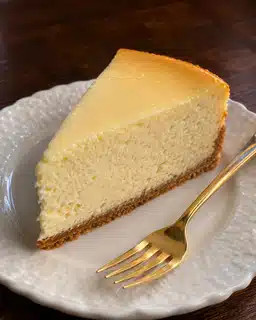
I like serving this cheesecake chilled straight from the fridge because it allows the flavors and textures to shine—the creamy filling feels luxuriously cool while the shortbread crust maintains its delicate crumbly bite. It pairs beautifully with fresh berries like raspberries or strawberries sprinkled on top for a pop of color and tartness that cuts through the richness.
For a casual presentation, I simply serve slices on white plates with a dusting of powdered sugar or a drizzle of homemade berry compote or caramel sauce. When I want to dress it up for special occasions, I’ll add a few edible flowers or a sprig of mint for an elegant touch that really impresses guests. The contrast between the creamy interior, buttery crust, and bright toppings makes every bite a delight.
When it comes to drinks, I recommend pairing this cheesecake with a glass of sweet dessert wine like a late harvest Riesling or even a rich coffee or espresso. For gatherings, a sparkling rosé works wonderfully to balance the richness. Whether it’s a holiday feast, birthday party, or a cozy weekend treat, this cheesecake always feels like the star of the dessert table.
Variations
While I adore the classic version, I often experiment with this New York Cheesecake with Classic Shortbread Crust Recipe to suit different tastes or dietary needs. For example, swapping the shortbread crust with a gluten-free almond flour crust has worked beautifully for friends with gluten sensitivities without sacrificing that buttery flavor and crisp texture.
If you’re interested in a dairy-free or vegan alternative, I’ve found success using plant-based cream cheese and coconut cream, though the texture will be a bit different—still delicious but lighter and less dense. For the crust in vegan versions, using coconut oil instead of butter helps retain a similar richness.
Flavor-wise, you can infuse the filling with fresh lemon zest or even folded-in melted dark chocolate for a fun twist. Some of my favorite variations include swirl designs using raspberry purée or caramel ribbons added just before baking, creating visually stunning and flavor-packed cheesecakes.
Storage and Reheating
Storing Leftovers
After slicing your cheesecake, I recommend storing any leftovers in an airtight container or wrapping the pan tightly with plastic wrap to keep it fresh and prevent it from absorbing any fridge odors. Properly stored, the cheesecake stays delicious for up to 5 days in the refrigerator. Always make sure it remains well chilled to maintain its texture and prevent spoilage.
Freezing
This cheesecake freezes really well, which is perfect if you want to enjoy it later or make it in advance. I usually freeze it whole or cut into individual slices, wrapping each tightly in plastic wrap followed by aluminum foil to avoid freezer burn. It can be kept frozen for up to 2 months. When you’re ready to eat, thaw it slowly in the fridge overnight for the best texture.
Reheating
I generally don’t reheat cheesecake because it tastes best chilled, but if you prefer it slightly warmer, letting it come to room temperature for about 30 minutes is perfect. Avoid microwaving, which can mess with the texture and make it too soft or grainy. If you do want a warm dessert, pairing chilled slices with a warm sauce like chocolate ganache works wonders without changing the cheesecake itself.
FAQs
Can I use a regular pie pan instead of a springform pan?
While a springform pan is ideal because it allows for gentle release without damaging the crust or filling, you can use a deep pie pan. Just be extra careful when serving since you won’t be able to remove the sides. Make sure to line it well with parchment paper and grease it thoroughly to prevent sticking.
Why does my cheesecake crack on top?
Cracking often happens when the oven temperature is too high or the cheesecake cools too quickly. This recipe’s method of lowering the temperature after initial baking and resting it in the warm oven helps prevent cracking. Also, avoid overmixing the batter to reduce air bubbles that can cause cracks.
Can I make this cheesecake ahead of time?
Absolutely! In fact, I recommend making it the day before serving to give it ample time to chill and set properly. This not only improves texture but also intensifies the flavors, making your dessert even more delicious when you serve it.
Is it necessary to use alcohol-free vanilla?
Using alcohol-free vanilla extract is a personal preference—I like it for its pure vanilla flavor without altering the taste or texture. However, regular vanilla extract works just fine if that’s what you have on hand.
Can I add fruit to the crust or filling?
Adding fresh fruit directly into the filling might affect the texture, so I usually recommend serving fruit on the side or as a topping. For the crust, some slight zesting or finely chopping dried fruit could work, but be sure it doesn’t add too much moisture, or the crust may become soggy.
Conclusion
I truly hope you give this New York Cheesecake with Classic Shortbread Crust Recipe a try because it’s one of those timeless desserts that everyone can enjoy—whether you’re a seasoned baker or just starting out. The combination of the silky filling and buttery crust creates a luscious, memorable dessert that I know will become a favorite in your kitchen just like it is in mine. Happy baking and even happier tasting!


