
I absolutely love sharing this Oven Baked Beef Brisket Recipe because it delivers that perfect combination of tender, juicy meat and a rich, smoky crust that feels like a warm hug on a plate. Over the years, I’ve found that baking the brisket low and slow in the oven not only simplifies the cooking process but also brings out deep, complex flavors that everyone at the table adores. If you want a dish that’s both impressive and comforting, this recipe will quickly become a favorite in your kitchen too.
Why You’ll Love This Oven Baked Beef Brisket Recipe
What makes this Oven Baked Beef Brisket Recipe truly special to me is the balance of flavors in the dry rub—the mix of smoky paprika, chili powder, and a hint of cumin creates a crust that’s bursting with savory, slightly spicy notes without overpowering the natural beefiness. The mustard acts like a glue to hold all those spices close to the meat, while also adding subtle tang that brightens every bite. I love how the fat cap melts into the brisket during those long hours in the oven, resulting in a tender, fork-ready texture that feels indulgent but not heavy.
Another aspect I appreciate is how easy this recipe is to prepare, making it perfect for both weekends and special occasions. You basically prep once by seasoning and then let your oven do the magic slowly and steadily. It frees you up to focus on the rest of your meal, entertain guests, or simply relax. Whether it’s a cozy family dinner, holiday gathering, or even a fun weekend barbecue, this oven baked brisket stands out because it tastes like you’ve spent hours laboring over it, but without the stress or constant attention.
Ingredients You’ll Need
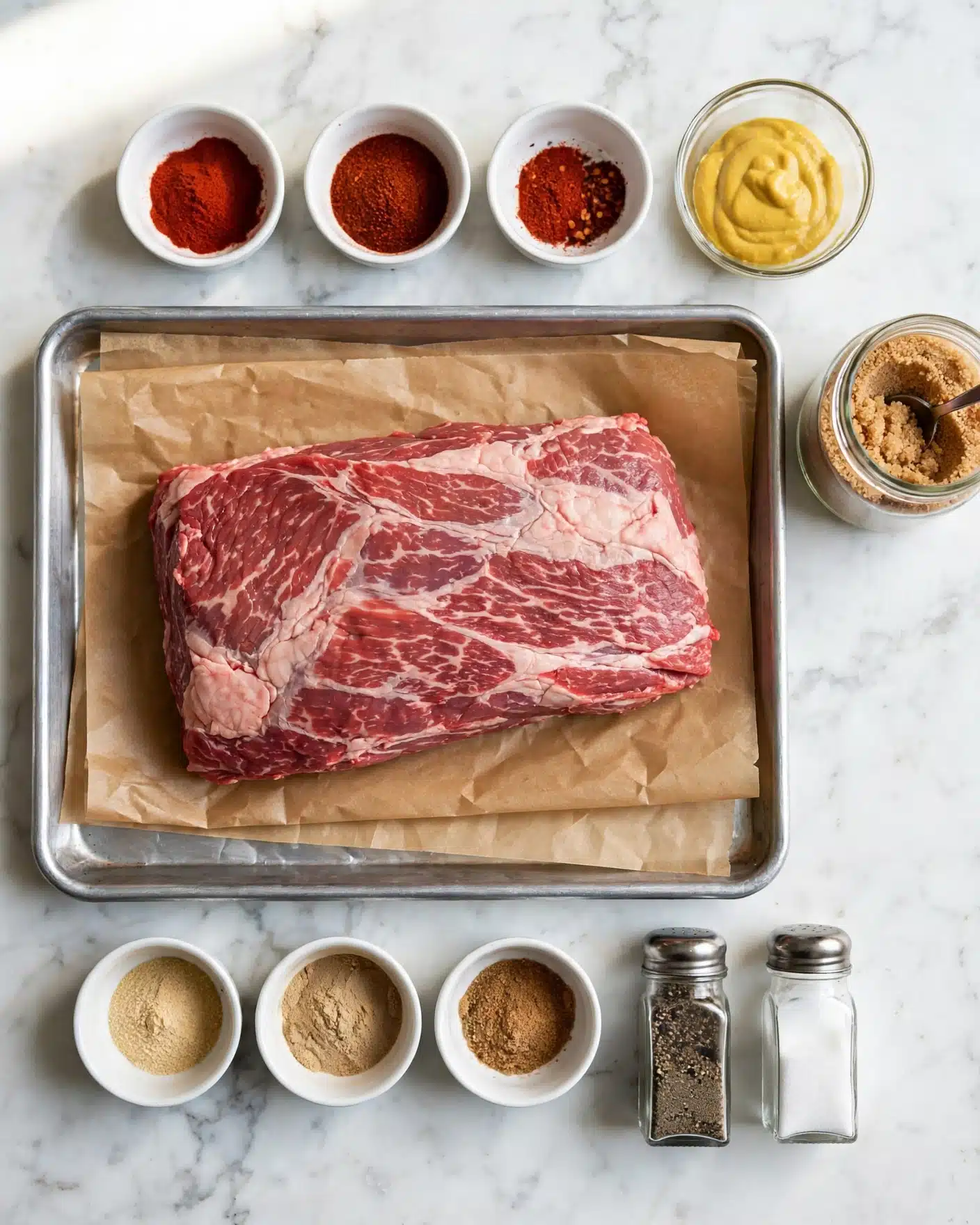
The ingredients for this Oven Baked Beef Brisket Recipe are simple yet absolutely essential for capturing the classic flavors and perfect texture I’m always chasing in a brisket. Each spice and component plays a unique role—from the salt that penetrates deeply with the dry brine to the aromatic spices that create the enticing crust.
- 4 lb beef brisket flat: Choose a flat cut with a good ¼-inch fat cap for moist, tender results.
- 1 tablespoon yellow mustard: Acts as a binder for the rub and adds a tangy backbone to the flavor.
- 1 ½ tablespoons kosher salt: Essential for dry brining and seasoning throughout the meat.
- 2 tablespoons brown sugar: Provides a subtle sweetness that balances smoky and spicy notes.
- 1 tablespoon black pepper: Freshly ground for a sharp, peppery kick.
- 1 tablespoon smoked paprika: Adds deep smokiness without needing a smoker.
- 1 tablespoon chili powder: Brings warmth and complexity.
- 2 teaspoons garlic powder: Delivers mellow, aromatic garlic flavor.
- 2 teaspoons onion powder: Enhances savoriness.
- 1 teaspoon ground cumin: Adds an earthy, slightly nutty touch.
- ½ teaspoon cayenne pepper (optional): For those who like a gentle heat boost.
Directions
Step 1: Start by preparing your brisket for the dry brine. Remove the silver skin and any thick hard fat, but keep about ¼ inch of the soft fat cap intact to help baste the meat during cooking. Pat the brisket thoroughly dry with paper towels to ensure the seasonings stick well.
Step 2: Spread the yellow mustard evenly over all sides of the brisket using a pastry brush or your hands—this helps the dry rub adhere and infuses a subtle tang.
Step 3: In a small bowl, mix together kosher salt, brown sugar, black pepper, smoked paprika, chili powder, garlic powder, onion powder, cumin, and cayenne pepper if using. Make sure it’s well combined.
Step 4: Sprinkle the dry rub mixture generously over every side of the brisket. Press the spices firmly into the meat with your hands so nothing falls off.
Step 5: Place the brisket fat-side up on a wire rack inside a baking sheet. Refrigerate uncovered for 8 to 24 hours. This dry brining step is crucial for developing flavor and tenderizing the meat.
Step 6: When ready to cook, preheat your oven to 275°F. Insert an oven-safe probe thermometer into the thickest part of the brisket to monitor its internal temperature.
Step 7: Put the brisket in the center of the oven and bake until the thermometer reads 160°F, which should take about 2½ to 3½ hours depending on thickness.
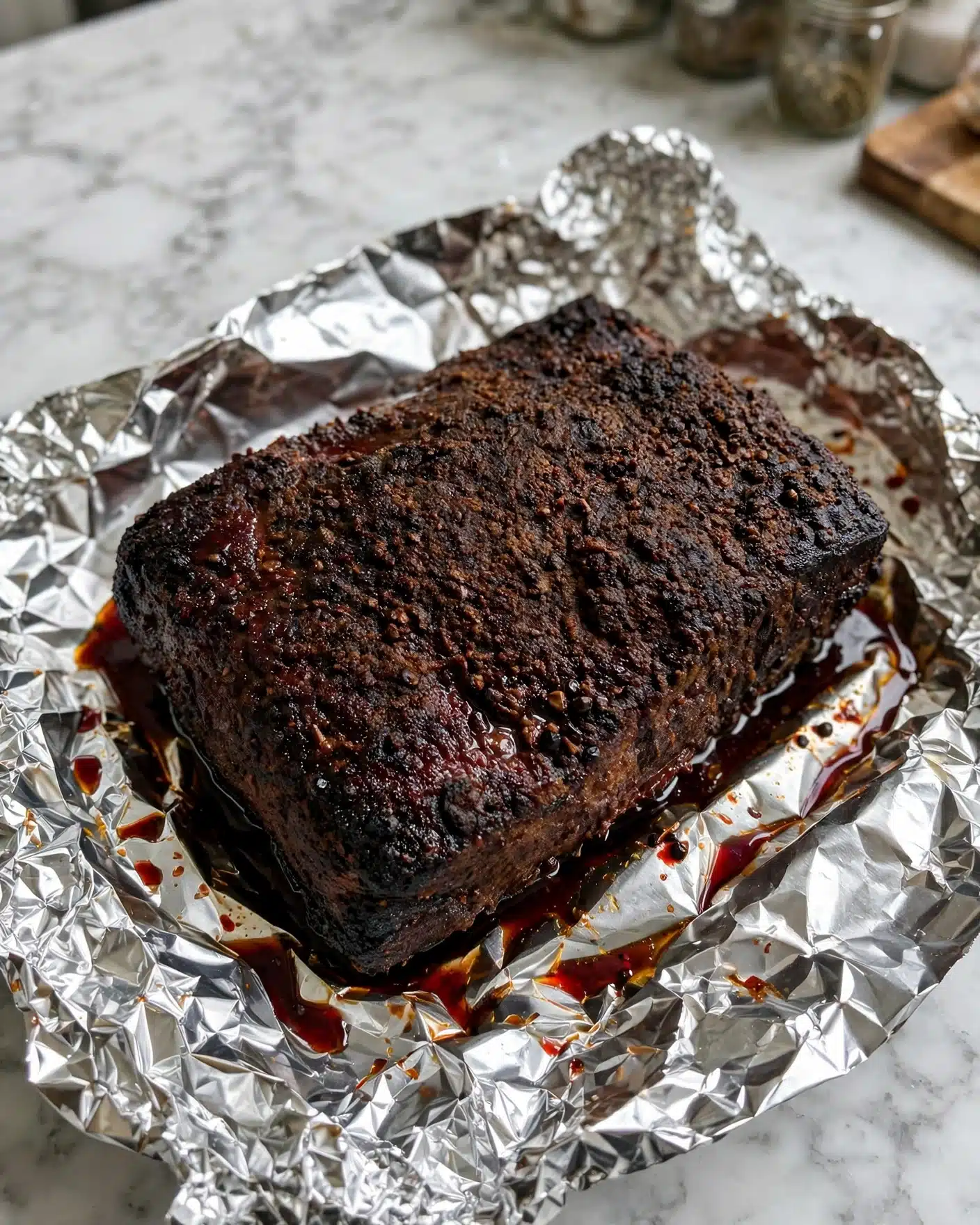
Step 8: Remove the brisket and place it on overlapping sheets of heavy-duty aluminum foil. Drizzle some of the rendered fat on top for richness, then wrap tightly and seal the edges carefully.
Step 9: Return the wrapped brisket to the oven and continue cooking until the internal temperature reaches 200°F to 205°F. Begin checking for tenderness around 200°F by testing with a thin skewer—it should slide in with very little resistance.
Step 10: Take the brisket out once tender and keep it wrapped to rest for 30 minutes. This resting time lets the juices redistribute for juicy slices.
Step 11: Carefully unwrap, reserve the juices, and slice the brisket against the grain into ¼-inch thick slices. Spoon some of the savory cooking juices over top before serving.
Servings and Timing
This Oven Baked Beef Brisket Recipe yields about 10 generous servings, perfect for a family gathering or small party. Prep time is mostly hands-off, about 10-15 minutes plus the 8 to 24 hours for dry brining. The cooking time takes roughly 5 to 6 hours total, including both the initial bake and the wrapped finishing phase. Don’t forget to factor in the 30 minutes of resting time after cooking to let those juices settle beautifully before slicing.
How to Serve This Oven Baked Beef Brisket Recipe
I love serving this brisket hot or warm, making sure each slice is coated with those tempting juices for maximum flavor. This meat pairs perfectly with hearty sides like creamy mashed potatoes, roasted root vegetables, or a tangy coleslaw that cuts through the richness. For a Southern-inspired twist, I sometimes add baked beans or cornbread to create a well-rounded meal that feels both celebratory and comforting.
Presentation-wise, I like arranging the brisket slices neatly on a warmed platter, garnished with a sprinkle of fresh parsley or chopped green onions for a pop of color. If I’m serving guests, I sometimes add a few pickled vegetables on the side to offer a bright contrast and invite different flavor layers on the palate. You could also serve the juices in a small gravy boat so everyone can drizzle as much as they want.
When it comes to beverages, I’m a fan of a full-bodied red wine like a Zinfandel or Cabernet Sauvignon, which complements the smoky spices beautifully. For those avoiding alcohol, a robust iced tea with lemon or even a sparkling water with a splash of fresh lime is refreshing alongside this rich dish. This brisket works equally well for casual weeknight dinners or special occasions like holidays and birthdays—it’s always a crowd pleaser!
Variations
If you want to switch things up, I encourage experimenting with different dry rub spices. For example, adding a teaspoon of ground coriander or mustard powder can add a unique twist, while swapping smoked paprika for regular paprika will give you a milder smokiness. If you prefer a spicier dish, feel free to increase the cayenne or toss in some chipotle powder to deepen the smoky heat.
For those needing dietary modifications, turning this recipe gluten-free is simple since all the spices are naturally gluten-free—just double check your spice labels. If you’re looking for a vegan version, obviously the brisket itself isn’t plant-based, but you could adapt the spice mix on a hearty roasted cauliflower steak or seitan roast for a similar flavor experience.
Another cooking method I’ve tried with success is starting the brisket in a Dutch oven on the stovetop to build a sear before transferring to the oven. This adds a lovely crust and intensifies flavor. You can also experiment with wrapping the brisket in butcher paper instead of foil during the final cooking phase if you like a slightly firmer bark texture. The slow roasting technique is really the secret to achieving that melt-in-your-mouth tenderness.
Storage and Reheating
Storing Leftovers
Once you’ve enjoyed your brisket feast, store any leftovers in airtight containers or tightly wrapped with plastic wrap and foil to maintain moisture. I find glass containers with secure lids work best for keeping the brisket fresh. Stored properly in the refrigerator, your leftovers will stay delicious for 3 to 4 days—plenty of time for some tasty next-day sandwiches or reheated meals.
Freezing
This brisket freezes beautifully if you want to save some for later. Slice the brisket first, then arrange the slices in a single layer inside freezer-safe containers or heavy-duty freezer bags to prevent freezer burn. I like to include some of the reserved juices poured over the meat before sealing and freezing to protect texture and flavor. Properly frozen, it will keep well for up to 3 months without losing quality.
Reheating
To reheat, I recommend warming the brisket gently in the oven at 275°F while wrapped in foil to keep it moist. Alternatively, using a low heat setting on a skillet with a splash of broth can bring it back to life without drying out. Avoid microwaving if possible, as it tends to dry the meat unevenly and reduce that lovely tender consistency. Adding some of the saved cooking juices back while reheating really revives both moisture and flavor.
FAQs
Can I use a different cut of beef for this recipe?
While brisket is ideal because of its fat content and texture, I’ve experimented with chuck roast in a pinch, which also works well with low and slow cooking but has a slightly different flavor and texture. Just be sure to adjust cook times and check tenderness regularly.
Do I have to dry brine the brisket overnight?
The dry brine step really enhances flavor and tenderness by allowing the salt and spices to penetrate the meat deeply. If you’re short on time, a minimum of 8 hours in the fridge still offers noticeable benefits, but for best results, I recommend the full 24 hours if you can plan ahead.
Is it necessary to wrap the brisket in foil during cooking?
Wrapping the brisket in foil during the final cooking step traps moisture and helps break down connective tissues, producing a tender, juicy result. If you prefer a firmer bark, you can use butcher paper instead, but foil is the classic approach I trust for consistent softness.
How do I know when the brisket is done?
The best way is to use an instant-read or probe thermometer—when the internal temperature reaches between 200°F and 205°F and a thin skewer slides in with little resistance, your brisket is perfectly tender and ready to rest.
Can I prepare this recipe in a slow cooker instead of the oven?
You can adapt this recipe for a slow cooker by applying the dry rub as described and cooking on low for 8 to 10 hours until tender. The texture will be softer but less crusty, so if you miss the bark, you might finish it off in a hot oven or under the broiler for a few minutes.
Conclusion
I truly hope you give this Oven Baked Beef Brisket Recipe a try because it’s one of those dishes that feels like a comforting celebration every time I make it. The incredible flavors, ease of preparation, and that tender, juicy texture make it a winner in my book. Whether you’re cooking for friends, family, or just yourself, this brisket promises a satisfying and memorable meal that will have everyone asking for seconds!
Print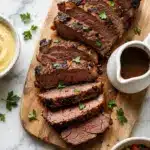
Oven Baked Beef Brisket Recipe
- Prep Time: 10 minutes (plus 8–24 hours dry brining)
- Cook Time: 5 to 6 ½ hours
- Total Time: 14 hours 20 minutes
- Yield: 10 servings
- Category: Main Dish
- Method: Baking
- Cuisine: American
Description
This Oven Baked Beef Brisket recipe offers a tender and flavorful main dish, enhanced by a dry brine with a blend of spices and slow baking at low temperature. The brisket is seasoned with a mustard base and a robust dry rub, then slow-cooked to achieve juicy, melt-in-your-mouth slices with a rich crust and savory cooking juices.
Ingredients
Beef Brisket
- 4 lb beef brisket flat (with about ¼-inch fat cap)
Dry Brine and Rub
- 1 tablespoon yellow mustard
- 1 ½ tablespoons kosher salt
- 2 tablespoons brown sugar
- 1 tablespoon black pepper
- 1 tablespoon smoked paprika
- 1 tablespoon chili powder
- 2 teaspoons garlic powder
- 2 teaspoons onion powder
- 1 teaspoon ground cumin
- ½ teaspoon cayenne pepper (optional)
Instructions
- Prepare and Dry Brine the Brisket: Remove the silver skin and any thick, hard fat from the brisket, leaving about ¼ inch of the softer fat cap intact. Pat the meat dry with paper towels.
- Apply Mustard: Spread the yellow mustard evenly over all sides of the brisket using a pastry brush or your hands to help the seasoning adhere.
- Mix and Apply Dry Rub: In a small bowl, combine kosher salt, brown sugar, black pepper, smoked paprika, chili powder, garlic powder, onion powder, cumin, and optional cayenne pepper. Sprinkle this dry rub evenly over all sides of the brisket and press firmly onto the meat.
- Dry Brine in Refrigerator: Place the brisket fat-side up on a wire rack set inside a baking sheet. Refrigerate uncovered for 8 to 24 hours to allow the flavors to penetrate and the surface to dry.
- Preheat Oven and Insert Thermometer: Preheat the oven to 275°F. Insert an oven-safe probe thermometer into the thickest part of the brisket for monitoring internal temperature during cooking.
- Bake the Brisket: Place the brisket in the center of the oven and bake until the internal temperature reaches 160°F. This will take about 2 ½ to 3 ½ hours depending on the meat thickness.
- Wrap Brisket and Continue Baking: Remove the brisket from the oven and place it on heavy-duty aluminum foil sheets overlapping. Drizzle some of the rendered fat over the top, then wrap tightly sealing all seams to retain moisture.
- Bake Wrapped Brisket Until Tender: Return the wrapped brisket to the oven and cook for another 2 to 3 hours until the internal temperature reaches 200°F to 205°F. Begin checking tenderness around 200°F by testing if a thermometer or thin skewer inserts with very little resistance.
- Rest the Brisket: Remove the brisket from the oven and keep it wrapped. Let it rest for 30 minutes to allow juices to redistribute.
- Slice and Serve: Carefully open the foil and reserve the cooking juices. Cut the brisket against the grain into ¼-inch slices. Spoon some of the reserved juices over the slices before serving.
Notes
- Removing the silver skin and excess fat helps seasoning penetrate better and improves texture.
- Applying mustard helps the dry rub stick and creates a flavorful crust.
- Dry brining in the fridge uncovered dries the surface and enhances flavor and browning.
- Monitoring internal temperature with a probe thermometer ensures perfectly cooked brisket.
- Wrapping the brisket after initial baking helps retain moisture and tenderize the meat further.
- Resting meat after cooking locks in juices for a moist result.
- Slicing against the grain maximizes tenderness.
- Optional cayenne adds mild heat; omit if a milder flavor is preferred.


