
I absolutely adore this Gluten Free Yogurt Lemon Cake Recipe because it’s a perfect balance of bright lemony zest and tender, moist crumb. Every time I make it, I’m amazed by how simple ingredients come together to create something that tastes like a little slice of sunshine. The yogurt keeps the texture incredibly soft and the lemon glaze adds that irresistible fresh zing that makes this cake a standout dessert in my kitchen.
Why You’ll Love This Gluten Free Yogurt Lemon Cake Recipe
I think what really makes this gluten free yogurt lemon cake recipe special is how wonderfully fresh and vibrant the lemon flavor shines without being overpowering. It’s zingy but balanced perfectly by the creamy richness of the yogurt and the subtle sweetness that never feels heavy. When I bite into this cake, I get that lovely moist texture that’s firm enough to slice easily, but tender enough to almost melt in your mouth.
This cake is also incredibly easy to prepare, which always wins major points with me. The ingredients are straightforward, and the method is quite forgiving — no complicated techniques or tricky steps. I love pulling this out for casual gatherings, afternoon tea, or even when I’m craving something sweet but light. It stands out because it’s both healthy-ish (hello, yogurt!) and indulgent all at once, making it a reliable favorite no matter the occasion.
Ingredients You’ll Need
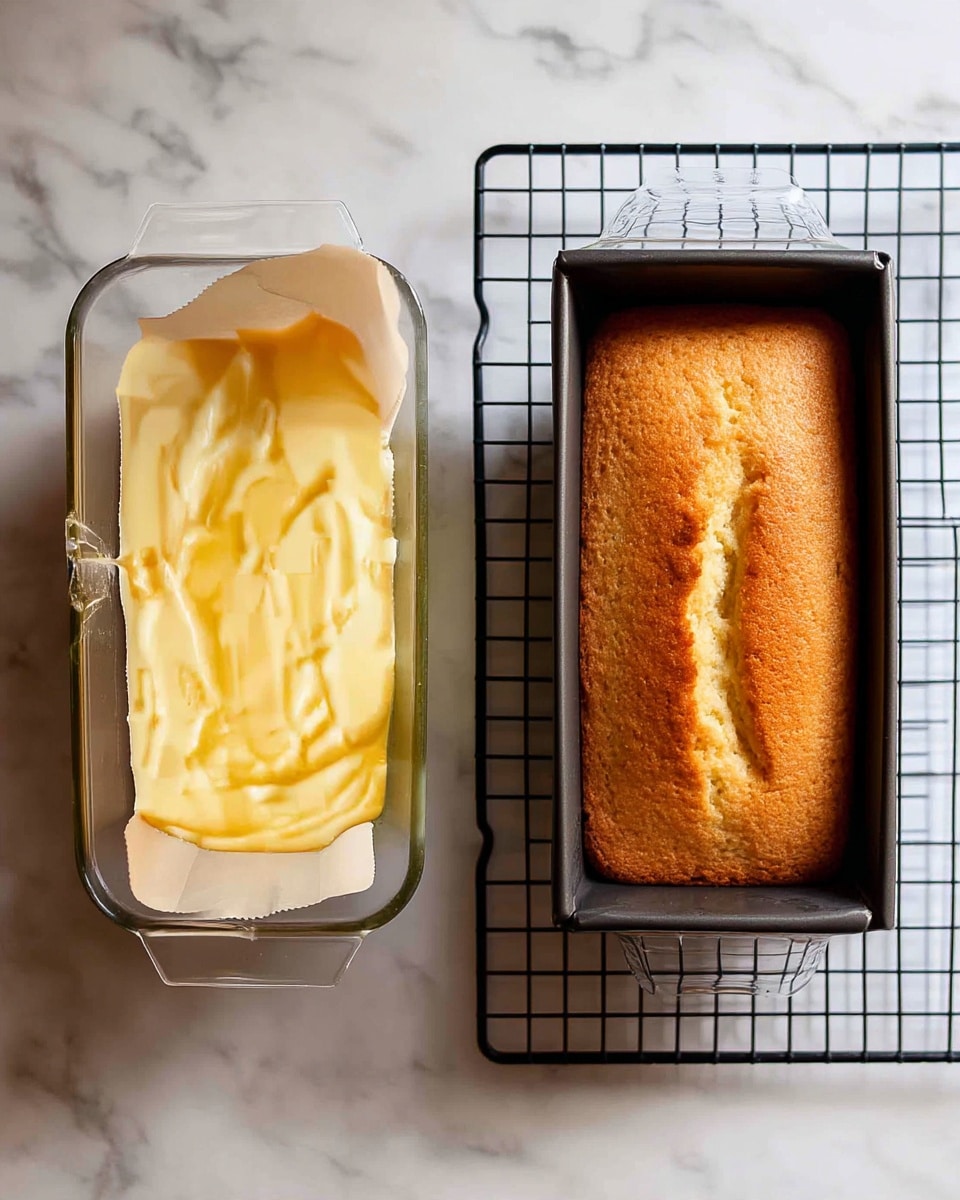
These ingredients are simple but essential for building that perfect balance of flavor and texture. Each one plays a key role, from the tangy yogurt keeping the cake moist to the bright lemon juice that ties everything together at the end.
- Plain full-fat yogurt (½ cup): Adds moisture and a tender crumb with subtle tanginess.
- Granulated sugar (1 cup): Sweetens the batter without overpowering the fresh flavors.
- Large eggs (3): Provide structure and help create a light, airy texture.
- Gluten free flour (1 ¾ cups/210 grams): The foundation for a perfectly crumbly cake without gluten.
- Baking powder (2 teaspoons): Leavens the cake for a nice rise and fluffiness.
- Fine sea salt (¼ teaspoon): Balances sweetness and enhances all the flavors.
- Coconut oil (½ cup): Adds richness and keeps the cake moist; you can substitute vegetable oil if preferred.
- One lemon: Both zest and juice brighten the entire cake, especially in the glaze.
- Powdered sugar (½ cup): Used in the glaze to give a sweet, smooth finish that soaks into the cake.
Directions
Step 1: Preheat your oven to 350°F (175°C). Grease a loaf pan or a cake pan generously, then line the bottom with parchment paper to make sure your cake releases easily after baking.
Step 2: In a large bowl, mix together the plain full-fat yogurt, granulated sugar, and eggs. Use a whisk to blend everything until the mixture is smooth and uniform — this helps to create a light batter that’s easy to work with.
Step 3: Sift the gluten free flour, baking powder, and fine sea salt into the wet ingredients. Fold the dry ingredients gently into the wet mixture, mixing just until everything is combined. Overmixing can make your cake dense, so keep it light and careful.
Step 4: Add the coconut oil to the batter and stir well to incorporate fully. You want a smooth, homogeneous batter with no streaks of oil. Then pour the batter into your prepared pan, smoothing the top with a spatula.
Step 5: Let the batter rest for a few minutes while your oven finishes preheating. Then bake the cake for 30 to 40 minutes. Keep a close eye starting at 30 minutes — inserting a toothpick in the center should come out clean or with just a few crumbs attached. Avoid overbaking to maintain moistness.
Step 6: Once baked, transfer the cake to a wire rack and allow it to cool for about 20 minutes in the pan. Then gently remove the cake from the pan and let it cool completely before moving to the next step.
Step 7: For the luscious glaze, juice the lemon into a small bowl and whisk in the sifted powdered sugar until smooth. Spoon the glaze evenly over the cake’s surface — it will soak right in, adding juicy lemon sweetness that complements every bite.
Servings and Timing
This gluten free yogurt lemon cake recipe yields about 10 generous servings, perfect for sharing with family or friends. The prep time is around 10 minutes, while the baking takes between 30 to 40 minutes. Allow an additional 20 minutes for cooling and glazing, bringing your total kitchen time to approximately 45 minutes. This timing makes it ideal for a quick afternoon treat or a last-minute dessert that still looks and tastes impressive.
How to Serve This Gluten Free Yogurt Lemon Cake Recipe
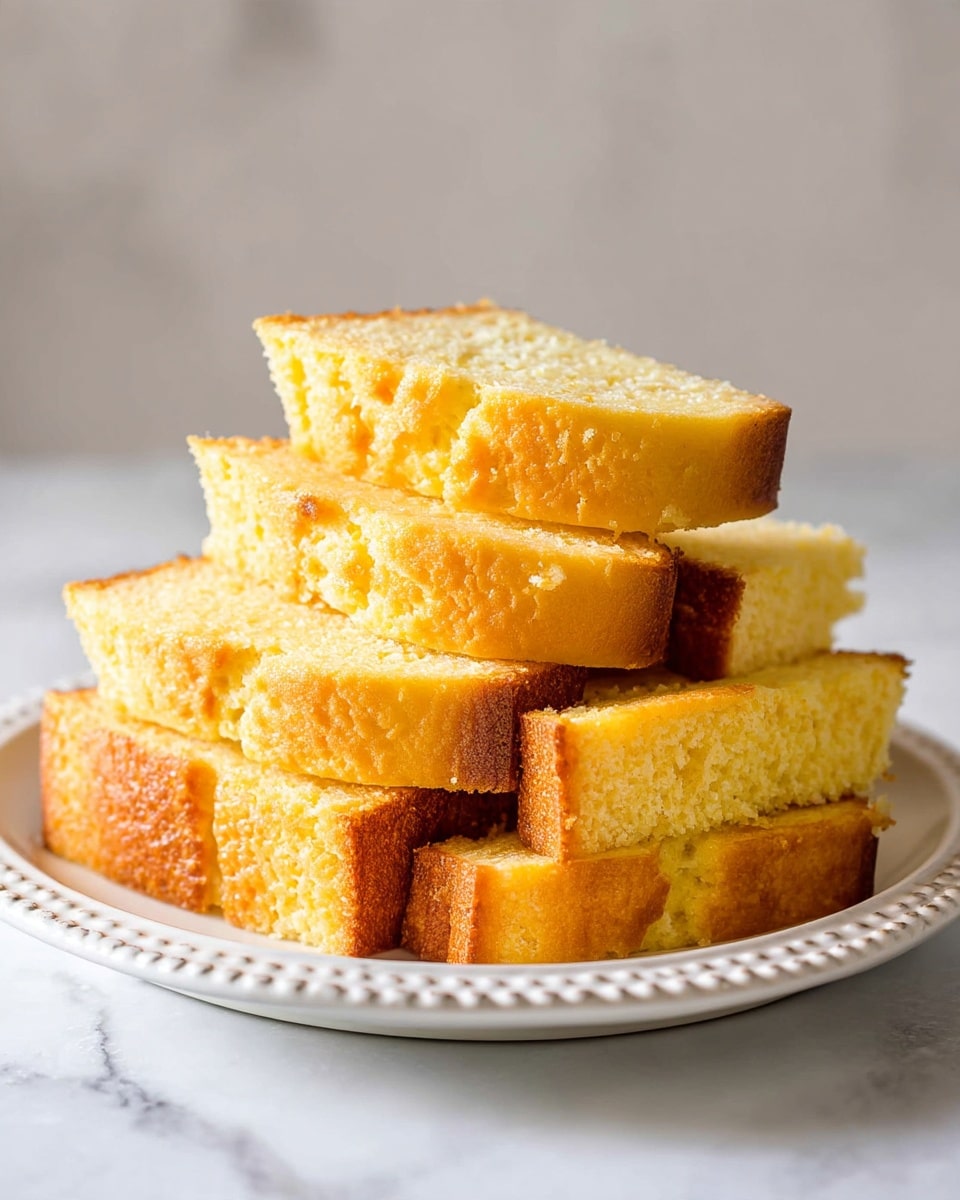
When I serve this cake, I love presenting it at room temperature, which really lets the vibrant lemon flavor sing without being dulled by cold. It pairs beautifully with a scoop of vanilla ice cream or even a dollop of whipped cream if you want to indulge a bit more. For a lighter accompaniment, fresh berries or a handful of toasted almonds add wonderful texture and color contrast.
For gatherings, I often sprinkle a little extra lemon zest on top of the glaze and garnish with edible flowers or thin slices of lemon for a stunning presentation. This cake also goes surprisingly well with a cup of Earl Grey tea or a crisp, chilled glass of Prosecco if you’re celebrating something special. The bright citrus notes complement citrusy or floral drinks perfectly.
It’s a versatile cake that fits any occasion—from casual weekend brunches to holiday dinners or even afternoon coffee breaks with your closest friends. I usually cut it into medium-sized slices, but it also serves well as smaller portions for tasting menus or dessert samplers. Whatever occasion you choose, this cake never fails to bring smiles.
Variations
One of the things I love about this gluten free yogurt lemon cake recipe is how adaptable it is. If you want to switch up the flavors, you can easily swap the lemon for orange or lime juice and zest for a fresh twist. Adding a teaspoon of vanilla extract or a pinch of cinnamon into the batter also makes for a delicious depth of flavor.
If you’re looking for dietary adjustments, switching to a vegan yogurt and using flax eggs instead of regular eggs can make this cake vegan-friendly, though the texture will be slightly different—still very enjoyable. Likewise, using different gluten free flour blends with xanthan gum can help with structure depending on what you have on hand. For oil alternatives, olive oil works beautifully but gives a more robust flavor.
I’ve also tried baking this cake in a round cake pan or even in muffin tins for portable portions, adjusting baking times accordingly. Muffins usually take about 20-25 minutes and make fantastic grab-and-go treats. No matter which route you take, the base recipe is forgiving and always delicious.
Storage and Reheating
Storing Leftovers
To keep leftovers fresh, I store the cake in an airtight container at room temperature if I plan to eat it within 2 days. For longer storage, I place it in the refrigerator, where it will stay moist for up to 5 days. Wrapping the cake tightly with plastic wrap before placing it in the container prevents it from drying out.
Freezing
This cake freezes wonderfully if you want to prepare it ahead of time. I slice it first and then wrap individual pieces tightly in plastic wrap followed by foil or place them in a freezer-safe container. This prevents freezer burn and helps maintain freshness. Frozen cake slices will keep well for up to 3 months. When you’re ready, thaw at room temperature or gently warm before serving.
Reheating
The best way to reheat this cake is to let it reach room temperature naturally after thawing. If you prefer it warm, microwave individual slices for 15-20 seconds or warm in a low oven (about 300°F) for 5-7 minutes, loosely covered with foil. Avoid overheating; too much heat can dry out the cake and diminish its lovely moist texture. A quick warming enhances the citrus aroma and gives a cozy feel to every bite.
FAQs
Can I use Greek yogurt instead of regular yogurt?
Absolutely! Greek yogurt works perfectly in this recipe and will make the cake even more moist and dense due to its thicker consistency. Just make sure to use plain, full-fat Greek yogurt to maintain the balance of richness and tang.
Is this Gluten Free Yogurt Lemon Cake Recipe suitable for people with nut allergies?
Yes, it’s naturally nut-free as long as you use gluten free flour blends that do not contain nuts. Make sure to check ingredient labels carefully if you have severe allergies, and avoid any optional toppings with nuts to keep it safe.
Can I make this cake dairy-free?
Yes, you can substitute a dairy-free yogurt such as coconut or almond milk yogurt, and use a dairy-free oil like refined coconut oil or vegetable oil. The texture will be slightly different but still delicious and moist with the signature lemon flavor intact.
What type of gluten free flour works best?
I recommend using a gluten free flour blend designed for baking that contains xanthan gum or another binder for optimal texture. A combination of rice flour, tapioca starch, and potato starch usually gives the best results. Avoid using just one type of flour as it might alter the crumb.
Can I make this cake in a different shape or size pan?
Definitely! While the recipe is designed for a standard loaf or cake pan, you can bake it in round pans, muffin tins, or even mini bundt pans. Just be sure to adjust the baking time accordingly—smaller pans will bake faster, so check for doneness sooner to avoid drying out.
Conclusion
I can’t recommend this Gluten Free Yogurt Lemon Cake Recipe highly enough for anyone looking for a fresh, moist, and utterly delicious dessert that’s simple to whip up. It’s one of those recipes that feels both comforting and special every time I bake it, and I hope you’ll enjoy it as much as I do. Whether you’re new to gluten free baking or a seasoned pro, this cake is a bright, easy way to impress your family and friends with minimal effort and maximum flavor.


