
I absolutely adore making and sharing my Classic French Crepes with Lemon and Sugar Recipe because it brings a bit of Parisian magic right into my kitchen. These crepes are thin, soft, and versatile, with just the right balance of sweetness and tang from fresh lemons and sugar. I find them wonderfully simple to prepare, yet they feel special enough for any breakfast, brunch, or even a delightful dessert after dinner. Every time I serve these up, their light texture paired with the burst of fresh lemon juice never fails to bring smiles to the table.
Why You’ll Love This Classic French Crepes with Lemon and Sugar Recipe
What makes this recipe so dear to me is how elegantly simple it tastes. The crepes themselves have a delicate flavor, a subtle sweetness, and a lightness that makes them almost melt in your mouth. Adding fresh lemon juice with a sprinkle of vanilla sugar on top awakens my senses and creates a perfect combination of tartness and sweetness that feels both refreshing and indulgent. It’s a flavor profile that feels bright and classic, yet comfortingly familiar.
Besides the incredible flavor, I appreciate how straightforward the batter is to whip together. With basic pantry ingredients like milk, eggs, flour, and butter, this recipe is accessible yet yields consistently beautiful crepes. I love that the batter can rest for a while or even chill overnight, which makes it flexible for planning ahead. These crepes are great for lazy weekend breakfasts, holiday brunches, or even quick weekday treats. They stand out not just for their taste but for how effortlessly you can fill your home with an inviting aroma and bring friends or family together.
Ingredients You’ll Need
All the ingredients for this Classic French Crepes with Lemon and Sugar Recipe are simple staples, but each plays a very important role in the texture and flavor of the crepes. From the richness of the eggs to the slight sweetness of the vanilla sugar, everything combines to create a light, tender, and buttery crepe.
- Milk: Provides moisture and helps create a smooth, pourable batter.
- Large eggs: Bind the ingredients and add richness for a tender crepe.
- Oil or melted butter: Adds fat for soft crepes and keeps them from sticking to the pan.
- Sugar: Sweetens the batter gently; you can adjust for sweet or savory preferences.
- Kosher salt: Enhances flavor and balances the sweetness.
- All-purpose flour: The main structure of the crepe, providing just enough thickness without heaviness.
- Softened butter (or oil) for cooking: Ensures the crepes cook evenly without sticking.
- Lemons: Fresh and zesty, perfect for sprinkling over the crepes to add a bright note.
- Vanilla sugar: Adds subtle aromatic sweetness when combined with the lemon juice.
- Whipped cream: Optional, but it’s such a dreamy addition to serve alongside for extra indulgence.
Directions
Step 1: In a jug or bowl, whisk together the milk and eggs until well combined. Aim for about 2 cups of liquid mixture to ensure the batter is smooth.
Step 2: Stir in the oil or melted butter to add richness and help with the crepes’ texture and non-stick quality.
Step 3: In a separate large bowl, combine the flour, kosher salt, and sugar (adjust sugar amount based on whether you want them sweet or savory).
Step 4: Slowly add about ¾ to 1 cup of the milk and egg liquid to the dry ingredients, mixing gently to form a smooth paste. This step is quick — just a few seconds — but be careful not to over-mix, or the crepes might turn tough.
Step 5: Add the remaining liquid, stirring to create a smooth, slightly watery batter. Cover it and let the batter rest for at least 20 to 30 minutes; this helps relax the gluten and results in tender crepes.
Step 6: Heat a 10-inch non-stick pan over medium heat. Before making each crepe, brush the surface lightly with butter using a silicone brush or butter-soaked cloth to prevent sticking.
Step 7: Stir the batter gently before pouring. Pour about ¼ cup of batter into the pan. Immediately swirl the pan to coat the bottom evenly, spreading the batter thin to achieve that classic crepe thinness.
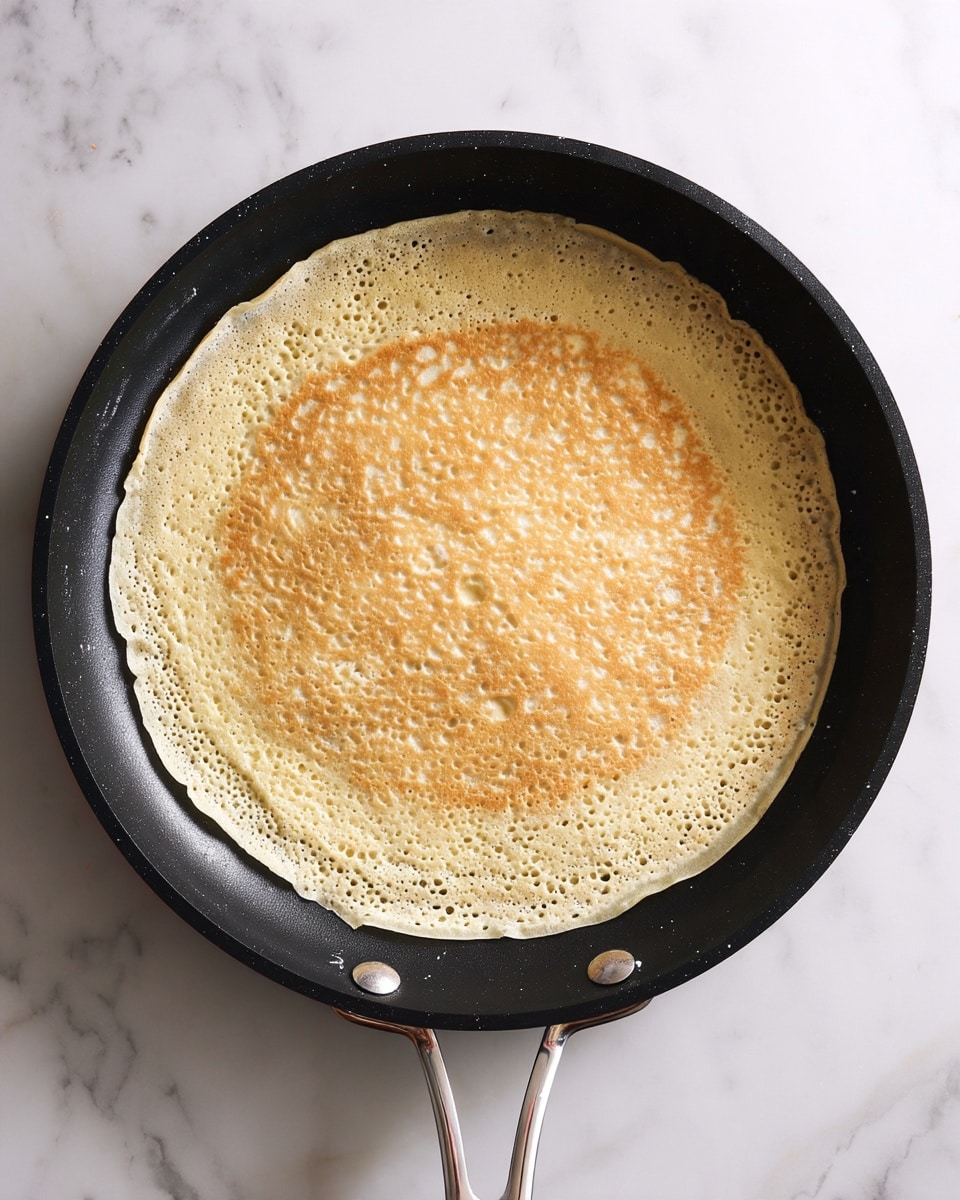
Step 8: Cook the crepe until the edges begin to brown lightly and develop caramelized spots—about 40 seconds—then flip gently and cook the other side for 10 to 15 seconds. For softer crepes, cook just until the surface sets without browning.
Step 9: Place the cooked crepes on a plate or wire rack and repeat the process with the remaining batter, remembering to stir each time before pouring.
Step 10: To serve with lemon and sugar, sprinkle about 1 teaspoon of vanilla sugar over half of a crepe, fold it in half, then fold in half again to make a neat quarter shape. Repeat with each crepe and serve with fresh lemon slices for squeezing and a dollop of whipped cream if desired.
Servings and Timing
This recipe yields about 10 crepes, perfect for serving 4 to 6 people depending on appetite or if you’re pairing it with other dishes. The prep time is around 10 minutes, with an additional 20 to 30 minutes of resting time for the batter to deliver that silky texture. Cooking all the crepes takes about 15 minutes, so the total time from start to finish is approximately 40 to 45 minutes. If you’re in a bit of a hurry, you can prepare the batter the night before, chill it in the fridge, and cook the crepes fresh whenever you’re ready.
How to Serve This Classic French Crepes with Lemon and Sugar Recipe

When I serve these crepes, I love keeping it simple but elegant. Fresh lemon wedges are a must for squeezing over the folded crepes, delivering that lively tang that perfectly complements the vanilla sugar’s sweetness. For a little extra decadence, a generous dollop of lightly whipped cream adds a cloud-like softness to each bite. Presentation-wise, stacking the folded crepes on a pretty plate and garnishing with thin lemon slices or a dusting of powdered sugar makes for a charming touch.
If I want to turn breakfast into an event, I add some fresh berries or a side of lightly toasted nuts to provide texture and balance. For a beverage pairing, I often reach for a crisp, chilled glass of sparkling water infused with lemon or a gently brewed floral tea, like jasmine or chamomile. On special occasions, a glass of sparkling wine or a light French cider feels like the perfect match and instantly elevates the meal.
This recipe shines whether served warm right off the pan or at room temperature if you’re hosting a brunch where guests nibble throughout the morning. Portion-wise, I usually serve two to three folded crepes per person, but feel free to adjust according to the occasion and appetites. These crepes are as versatile as they are delicious, making them a delightful treat any time of day.
Variations
I love experimenting with different twists on this Classic French Crepes with Lemon and Sugar Recipe. For a gluten-free option, I swap the all-purpose flour with a blend of gluten-free flours, like rice flour combined with a bit of tapioca starch. The texture comes out slightly different but still wonderfully tender and delicate. To make vegan crepes, I replace the eggs with a mixture of flaxseeds and water and use plant-based milk, such as oat or almond milk, along with vegetable oil instead of butter. The result is surprisingly close to the original.
Flavor-wise, while I adore the brightness of lemon and sugar, I sometimes sprinkle cinnamon sugar or drizzle homemade fruit compotes for added warmth and complexity. For the adventurous, a touch of orange zest or a splash of Grand Marnier mixed into the batter really enhances the citrus notes. In terms of cooking, I occasionally try making crepes on a griddle or a cast-iron skillet if I want a slightly different texture or appearance without compromising the delicate thinness I love.
Storage and Reheating
Storing Leftovers
If I have leftover crepes, I stack them carefully with parchment paper or baking sheets between each crepe to prevent sticking and place them in an airtight container or wrap them tightly in plastic wrap. Stored this way in the refrigerator, they keep beautifully for up to 2 days. When I plan ahead, I always make sure to cool the crepes completely before storing to avoid moisture buildup, which can make them soggy.
Freezing
I find that crepes freeze very well, which is a lifesaver on busy mornings. I separate each crepe with parchment paper and stack them in a freezer-safe container or zip-top bag, squeezing out as much air as possible. They can be frozen for up to 2 months. When ready to use, I thaw them gently in the fridge overnight or for about an hour at room temperature.
Reheating
To reheat, I prefer using a non-stick pan over medium heat for just a minute or so on each side until warm. This method keeps the edges crisp and the crepe tender. If you’re in a hurry, 30 seconds in the microwave with a plate on top to trap the steam works too, but be mindful not to overheat, or the crepes can become tough or rubbery. Avoid reheating in a wet pan or on too high heat, which can dry them out quickly. A gentle reheating brings these crepes back to life beautifully.
FAQs
Can I make the batter ahead of time?
Absolutely! In fact, I often prepare the batter the night before and keep it covered in the fridge. Resting the batter longer helps relax the flour’s gluten and results in lighter, more tender crepes. Just give it a quick stir before cooking.
What if my crepes are tearing when I flip them?
If your crepes tear, it might mean the batter is too thick or you’re flipping too soon. Make sure your batter is thin and runny enough. Also, wait until the edges lift easily from the pan and the bottom is lightly browned. Using a non-stick pan and some butter will help the flipping go smoothly.
Can I use all-purpose flour or should I try other flours?
All-purpose flour is my go-to for classic crepes because it provides the perfect texture. However, you can experiment with buckwheat flour for a traditional Breton twist or gluten-free blends if needed. Just remember that different flours might change the batter’s thickness and taste, so you may need to adjust liquids accordingly.
Why is resting the batter important?
Resting the batter gives the flour time to fully hydrate and the gluten to relax, which yields crepes that are tender and free from toughness. It also allows any bubbles to settle, so you get a smooth crepe without holes.
Can I make savory versions of these crepes?
Definitely! For savory crepes, reduce or omit the sugar in the batter, add a pinch of salt, and fill them with options like ham and cheese, sautéed mushrooms, or spinach with ricotta. The possibilities are endless, and the crepes make a wonderful canvas for any filling.
Conclusion
I truly hope you’ll give this Classic French Crepes with Lemon and Sugar Recipe a try because it’s one of those simple yet elegant dishes that always brings a bit of joy and a touch of French charm to wherever you enjoy it. Whether for a leisurely weekend brunch or a special dessert, these crepes feel like a little celebration in every bite. I can’t wait for you to experience just how delicious and satisfying making crepes from scratch can be!
Print
Classic French Crepes with Lemon and Sugar Recipe
- Prep Time: 10 minutes
- Cook Time: 15 minutes
- Total Time: 25 minutes
- Yield: 10 servings (about 10 crepes)
- Category: Breakfast
- Method: Stovetop
- Cuisine: French
Description
Classic French Crepes are thin, delicate pancakes made with a simple batter of milk, eggs, flour, and butter. Perfect for both sweet and savory fillings, these crepes cook quickly on a non-stick pan and can be served with lemon and sugar, whipped cream, or any topping you desire. The recipe is easy, adaptable, and yields soft, luscious crepes with slightly crisp edges for a traditional French taste.
Ingredients
Batter Ingredients
- 1 ¼ cup milk (10 fl oz)
- 3 large eggs
- 2 tbsp oil or melted butter
- 2 tsp sugar for savory crepes OR 3 tbsp sugar for sweet dessert crepes
- ½ tsp kosher salt
- 4 oz all purpose flour (scant 1 cup)
- 2 tbsp softened butter or oil (more as needed for cooking)
Serving Ingredients (Optional)
- 1 – 2 lemons (sliced thick or cut into wedges)
- ¼ cup vanilla sugar
- Whipped cream
Instructions
- Mix Milk and Eggs: Place the milk and eggs in a jug or bowl and whisk together until combined, yielding about 2 cups of liquid.
- Add Fat: Whisk in the oil or melted butter into the milk and egg mixture thoroughly.
- Prepare Dry Ingredients: In a large bowl, combine the flour, kosher salt, and sugar (use 2 tsp for savory or 3 tbsp for sweet crepes).
- Form Batter Paste: Add about ¾ to 1 cup of the liquid mixture to the dry ingredients and gently mix to form a smooth paste, taking care not to over-mix.
- Complete Batter: Add the remaining liquid and whisk again to make a smooth, watery batter.
- Rest Batter: Cover the batter and let it rest for at least 20 to 30 minutes at room temperature, or refrigerate overnight (up to 2 days) for best results.
- (Alternative Method) Blend Ingredients: Add all ingredients into a blender with flour added last. Blend for a few seconds until smooth. Cover and rest the batter similarly.
- Preheat Pan: Heat a 10-inch non-stick pan over medium heat until hot.
- Butter the Pan: Brush a thin layer of softened butter or oil on the pan using a silicone brush or butter-soaked paper towel to prevent sticking.
- Mix Batter Before Each Crepe: Stir the batter before making each crepe to ensure it is evenly mixed.
- Pour and Spread Batter: Pour ¼ cup of batter into the pan and immediately swirl to evenly coat the pan’s bottom, spreading batter to the edges.
- Cook Crepe Surface: Place the pan back on the heat and cook the crepe until the surface is just set without browning (about 30 seconds) for extra soft crepes, or until edges start to brown and crisp (about 40 seconds) for classic crepes.
- Flip Crepe: Gently flip the crepe and cook the other side for a few seconds (soft crepes) or 10-15 seconds until caramelized spots form (classic crepes).
- Repeat: Continue making crepes until all batter is used, brushing the pan with butter as needed and stirring batter before each crepe.
- Stack and Keep Warm: Stack crepes on a plate or wire rack. If they cool before serving, cover with another plate and microwave for about 30 seconds to warm, then remove immediately to avoid sogginess.
- Serve Lemon and Sugar Crepes: Place a crepe on a plate, sprinkle about 1 tsp of vanilla sugar over half, fold in half, then fold into quarters. Repeat with all crepes, serve with fresh lemon slices for squeezing and whipped cream on the side.
Notes
- Batter resting is key to tender crepes and prevents tearing while cooking.
- Adjust sugar quantity depending on whether you want sweet or savory crepes.
- Use a silicone brush or butter-soaked towel to apply butter evenly and avoid burning.
- Stir batter before each crepe to prevent flour settling and ensure consistent texture.
- Crepes can be made in advance and stored in the refrigerator for up to 2 days.
- Microwaving the stacked crepes warms them without making them soggy if you remove the top plate quickly.
- Lemon and sugar is a classic simple topping, but you can add fruits, jams, or savory fillings as preferred.


