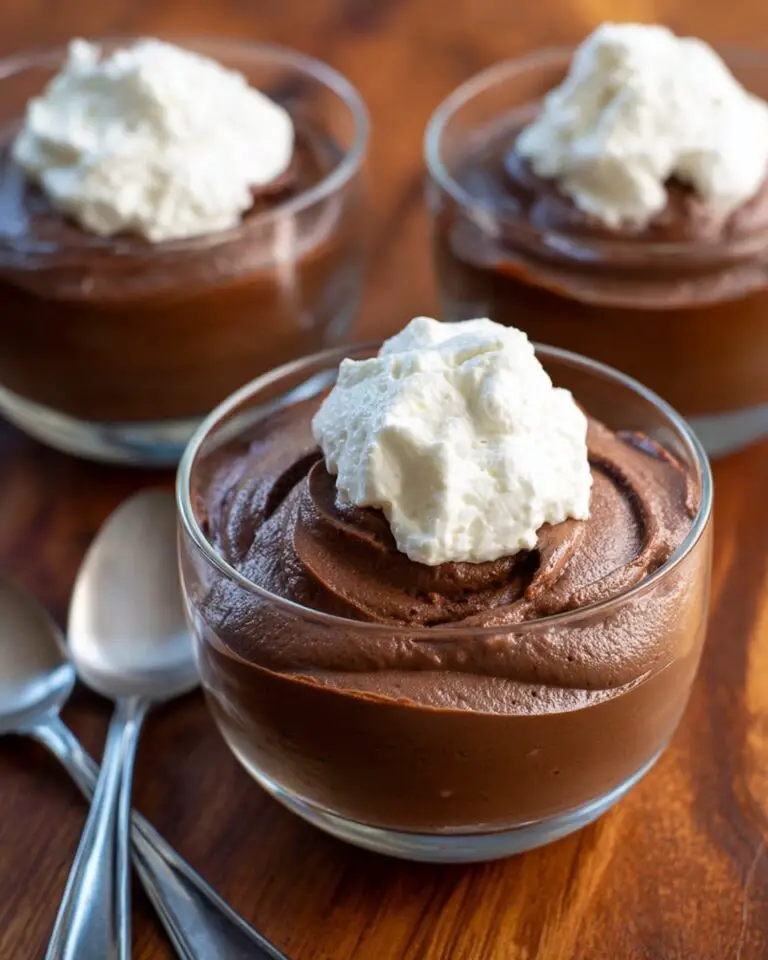
I’ve always held a special place in my heart for a perfectly creamy, rich cheesecake, and this Classic Homemade Cheesecake Recipe never fails to impress me and my guests. Every time I make it, I’m reminded how wonderfully simple ingredients can come together to create something truly sumptuous. This recipe is one that’s become a reliable favorite in my kitchen—not just because it tastes amazing, but because the process itself feels so rewarding. From the buttery graham cracker crust to the silky smooth, tangy cream cheese filling, this dessert hits every note I crave when I want a classic cheesecake experience.
Why You’ll Love This Classic Homemade Cheesecake Recipe
What makes this recipe so special to me is the flavor profile—it’s that perfect balance of tangy and sweet with a velvety texture that melts in your mouth. The combination of cream cheese and sour cream creates a depth of flavor and creaminess that feels indulgent but never overly heavy. When baked just right, the crust offers a subtle crunch and buttery warmth that perfectly complements the filling. I love that each bite offers a little bit of nostalgia, reminding me of homemade treats and cozy gatherings.
The ease of preparation is another big reason I return to this Classic Homemade Cheesecake Recipe time and time again. While it feels like a fancy dessert, it’s surprisingly straightforward, with clear steps and no tricky techniques. The ingredients are simple and easy to find, and the step-by-step process gives me the confidence to bake it without stress. I especially appreciate that it’s perfect for so many occasions—whether a holiday feast, a celebratory party, or a special weekend treat, it always brings smiles to the table. This cheesecake stands out because it’s both elegant and approachable, making it my go-to recommendation for anyone wanting to impress with a homemade dessert.
Ingredients You’ll Need

To create this cheesecake, you’ll rely on a handful of simple yet essential ingredients, each contributing something important to the final texture and flavor. From the crispy crust to the creamy filling, every component plays its part in making this recipe shine.
- Graham cracker crumbs: This forms the deliciously crunchy and buttery base that supports the cheesecake filling.
- Granulated sugar: Used in both the crust and filling, it adds just the right amount of sweetness without overpowering the tang of the cream cheese.
- Melted butter: Helps bind the crust while lending richness and a light golden color.
- Cream cheese (room temperature): The star of the show, providing that smooth, creamy texture and signature tang.
- Sour cream (room temperature): Adds moisture and a subtle tang that balances sweetness beautifully.
- Vanilla extract: Infuses warmth and depth to the filling, enhancing all the other flavors.
- Large eggs (room temperature): Give structure to the cheesecake while keeping it silky and smooth.
- Any desired cheesecake toppings: Fresh berries, compotes, chocolate shavings, or caramel sauce act as the perfect finishing touch.
Directions
Step 1: Start by positioning your oven racks in the center of the oven and preheat it to 350° F. This ensures even heat distribution for that perfect crust.
Step 2: In a medium bowl, stir together the graham cracker crumbs, sugar, and melted butter until the mixture resembles damp sand. Press this firmly into the bottom and about halfway up the sides of a 9-inch springform pan using the bottom of a measuring cup for even thickness. Bake the crust for 7 minutes, then remove it and set it aside to cool slightly.
Step 3: Reduce your oven temperature to 325° F before moving on to the filling.
Step 4: In a large bowl or a stand mixer, beat the cream cheese for about 30 seconds until smooth and creamy. Scrape down the sides to ensure everything blends evenly. Add sugar, sour cream, and vanilla extract, mixing again until fully incorporated. Another quick scrape and mix will help achieve a perfectly smooth base.
Step 5: Crack your eggs into a separate bowl and whisk them lightly just until they’re blended. With the mixer on low speed, slowly drizzle the eggs into the cream cheese mixture. Be careful not to overmix once eggs are fully incorporated. Remove the bowl and scrape down the sides again, folding gently with a spatula to smooth any remaining lumps.
Step 6: Tap the bowl on your countertop for 30 to 45 seconds to release any trapped air bubbles—this helps prevent cracks on your cheesecake’s surface later. You’ll often see small bubbles popping as you do this. Pour the filling carefully into your prepared crust and smooth the top gently; the pan will be quite full, so take care not to spill.
Step 7: Bake at 325° F for 30 minutes. After this, lower the oven temperature to 250° F and continue baking for an additional 45 minutes. When done, turn the oven off and leave the cheesecake inside for 30 minutes without opening the door—this gentle carryover cooking is key to preventing sudden temperature changes.
Step 8: Crack open the oven door and allow the cheesecake to cool slowly for one hour. Then, bring it to room temperature on the counter for about 3 to 4 hours. Once cooled, cover the cheesecake with plastic wrap and refrigerate for at least 6 hours or overnight for the best texture.
Step 9: When ready to serve, remove the springform pan collar carefully. To slice cleanly, dip a sharp knife in hot water, wipe off excess water, and cut through the cheesecake; repeat between slices for neat edges. Add your favorite toppings and enjoy!
Servings and Timing
This recipe makes 12 delicious servings, perfect for sharing with family or friends. The prep time is about 20 minutes, which includes mixing and preparing the crust and filling. Baking takes approximately 1 hour and 15 minutes total, factoring in the temperature changes during cooking. Cooling and chilling time is the longest part—expect to spend around 10 hours allowing the cheesecake to set fully between resting at room temperature and refrigeration. Altogether, it’s a mostly hands-off dessert that rewards you with impressive results.
How to Serve This Classic Homemade Cheesecake Recipe

When it comes to serving this cheesecake, I love to keep it simple but elegant. Fresh berries like strawberries or blueberries add a bright contrast in both flavor and color, lifting the richness of the cheesecake. A drizzle of homemade berry coulis or a spoonful of tangy lemon curd works wonders, too. If you’re feeling indulgent, a dollop of freshly whipped cream or even a spritz of chocolate ganache turns it into a decadent treat.
For presentation, I like serving this cheesecake chilled directly on a pretty serving plate with each slice cut cleanly using the hot-water knife method. Portion sizes can be generous since this cheesecake feels rich, so I usually cut it into 12 slices for a perfect balance of creaminess and crunch in every bite. Garnishing the top with mint leaves or a dusting of powdered sugar adds that final touch of sophistication both visually and taste-wise.
Beverage pairings are another favorite element for me. A glass of chilled Riesling or a gently sparkling rosé complements the creamy tang perfectly. If cocktails are your style, a fresh lemon-based drink or a light fizz cuts through the richness delightfully. For non-alcoholic options, homemade iced tea with a twist of citrus or simply a sparkling water with a splash of fruit juice works wonderfully. This cheesecake always shines at celebrations but also makes an extraordinary centerpiece for a family dinner or a cozy weekend treat.
Variations
One of the reasons I love this Classic Homemade Cheesecake Recipe is how versatile it is. If you want to mix things up, try swapping out the graham cracker crust for crushed digestive biscuits or even a chocolate cookie crust for added richness and depth. For a twist, adding a swirl of fruit jam or chocolate ganache into the filling before baking creates a marbled masterpiece that feels both artistic and delicious.
For dietary modifications, I’ve experimented with gluten-free crusts using almond flour or gluten-free cookie crumbs, and these work beautifully while maintaining that buttery, crisp texture. Vegan versions are also possible by swapping cream cheese for a vegan alternative made from cashews or coconut and replacing eggs with a flax or chia seed mixture, though I recommend following specialized vegan cheesecake recipes for best results.
Flavor variations are endless—I’ve added fresh lemon zest or a teaspoon of espresso powder to the filling to create new flavor profiles that keep this classic recipe exciting. Baking methods can also vary; some prefer a water bath to ensure extra moisture and prevent cracking. I’ve enjoyed both, and you can decide based on your preference and oven setup.
Storage and Reheating
Storing Leftovers
Leftover cheesecake is worth saving, and I always store mine in an airtight container or tightly wrapped with plastic wrap to keep it fresh. You can keep cheesecake refrigerated for up to 5 days without losing its creamy texture or flavor. Keeping it cold is essential to preserve the smooth, luscious consistency that makes it so special.
Freezing
This Classic Homemade Cheesecake Recipe freezes beautifully. To freeze, I usually wrap the cheesecake tightly with plastic wrap and then cover it with aluminum foil to protect against freezer burn. It can be frozen for up to 2 months. When ready to enjoy, thaw it slowly in the refrigerator overnight to maintain the best texture and flavor. Freezing is a great option if you want to prepare the dessert in advance for a special occasion.
Reheating
Cheesecake is best served chilled, so rather than reheating, I recommend enjoying it straight from the refrigerator. If you prefer a slightly warmer cheesecake, letting it sit at room temperature for 20 to 30 minutes before serving is plenty. Avoid microwave reheating as it can ruin the texture, causing the cheesecake to become grainy or rubbery.
FAQs
Can I use regular cream cheese or does it have to be full-fat?
I always recommend using full-fat cream cheese because it provides the best creaminess and structure for your cheesecake. Low-fat versions tend to alter the texture and can make the filling less smooth and rich.
What is the purpose of sour cream in this cheesecake?
Sour cream adds moisture, richness, and a slight tang that balances the sweetness. It also helps keep the texture smooth and creamy without being too dense, making the cheesecake velvety and satisfying.
Why does the recipe call for eggs at room temperature?
Using eggs at room temperature ensures they incorporate smoothly into the batter, preventing curdling or lumps. This also helps the cheesecake bake evenly and develop that smooth, dense texture I love.
Can I make this cheesecake ahead of time?
Absolutely! In fact, I find this cheesecake tastes even better after resting overnight in the fridge, allowing flavors to meld and the texture to set perfectly. It’s a wonderful make-ahead dessert for parties or family gatherings.
How do I prevent cracks on the cheesecake surface?
Tapping the batter bowl to release air bubbles and baking the cheesecake at the proper temperatures with gradual cooling are key to avoiding cracks. Also, letting the cheesecake cool slowly in the oven before chilling helps maintain a smooth surface.
Conclusion
I can’t recommend this Classic Homemade Cheesecake Recipe enough if you’re looking for a dessert that’s truly comforting and elegant. Making it brings me joy every time, and sharing it with loved ones is even better. Once you try it, I’m confident this cheesecake will become a favorite in your home just like it is in mine. So go ahead, give it a try—and prepare to delight in every luscious, creamy bite!
Print
Classic Homemade Cheesecake Recipe
- Prep Time: 20 minutes
- Cook Time: 1 hour 15 minutes
- Total Time: 10 hours 45 minutes
- Yield: 12 servings
- Category: Dessert
- Method: Baking
- Cuisine: American
Description
This classic cheesecake recipe features a creamy, smooth filling atop a crisp graham cracker crust. Baked to perfection with a two-stage baking process, it results in a rich and velvety dessert that’s perfect for any occasion. The cheesecake is finished with your favorite toppings and chilled to set for the best texture and flavor.
Ingredients
Crust
- 1 1/4 cups graham cracker crumbs
- 4 tablespoons granulated sugar
- 5 tablespoons melted butter
Filling
- 40 ounces cream cheese (room temperature, five 8 oz. packages)
- 1 1/4 cups granulated sugar
- 1/2 cup sour cream (room temperature)
- 2 teaspoons vanilla extract
- 4 large eggs (room temperature)
Toppings (optional)
- Any desired cheesecake toppings
Instructions
- Prepare the Oven and Crust: Place oven racks in the center of the oven and preheat to 350°F. In a medium bowl, combine graham cracker crumbs, sugar, and melted butter until the mixture resembles damp sand. Press this crust mixture firmly into the bottom and halfway up the sides of a 9-inch springform pan. Bake for 7 minutes, then remove and set aside.
- Reduce Oven Temperature: Lower the oven temperature to 325°F in preparation for baking the filling.
- Mix the Cream Cheese: In a large bowl or stand mixer, beat the cream cheese for about 30 seconds until smooth. Scrape down the sides and bottom of the bowl to ensure even mixing.
- Add Sugar, Sour Cream, and Vanilla: Add the sugar, sour cream, and vanilla extract to the cream cheese. Mix until fully incorporated, scraping the bowl again to remove any lumps.
- Incorporate Eggs: In a separate bowl, whisk the eggs until well beaten. With the mixer on low, slowly pour the eggs into the cream cheese mixture. Stop mixing as soon as the eggs are fully incorporated to avoid overmixing. Scrape the bowl again and fold gently to smooth out any small lumps.
- Remove Air Bubbles and Pour Filling: Tap the bowl on the counter for 30-45 seconds to release air bubbles, visible as they pop on the surface. Pour the filling into the prepared crust, smoothing the top gently. The pan will be very full.
- Bake the Cheesecake: Bake at 325°F for 30 minutes. Then reduce the oven temperature to 250°F and continue baking for an additional 45 minutes. After baking, turn off the oven and leave the cheesecake inside with the door closed for 30 minutes to allow carryover cooking.
- Cool Slowly: Crack the oven door open and let the cheesecake cool slowly for 1 hour. Remove from the oven when slightly warm and bring to room temperature on the counter for 3-4 hours.
- Refrigerate and Serve: Cover the cheesecake with plastic wrap and refrigerate for at least 6 hours or overnight to set fully. Before serving, remove the springform collar, decorate with desired toppings, and slice with a sharp knife dipped in hot water for clean cuts.
Notes
- Ensure all dairy ingredients are at room temperature to avoid lumps and a grainy texture in the filling.
- Do not overmix the batter after adding eggs to maintain a smooth texture and prevent cracking.
- Slow cooling inside the oven helps prevent cracks on the cheesecake surface.
- Use a 9-inch springform pan for best results.
- Dipping the knife in hot water between slices helps create cleaner, neater cuts.
- Chilling the cheesecake overnight improves the flavor and firmness.