
I am absolutely thrilled to share this Japchae – Korean Noodles Recipe with you because it holds a special place in my heart as one of the most vibrant and flavorful dishes I’ve ever made. Japchae is a delightful stir-fried noodle dish that combines sweet potato noodles with colorful vegetables, tender beef, and a perfectly balanced sauce that sings with sweet and savory notes. Every time I prepare it, I feel like I’m inviting a little bit of Korean tradition right into my kitchen, and it never fails to impress family and friends alike with its beautiful presentation and irresistible taste.
Why You’ll Love This Japchae – Korean Noodles Recipe
What truly makes this Japchae – Korean Noodles Recipe stand out for me is its incredible harmony of flavors and textures. The chewy sweet potato noodles have such a unique bite, pairing wonderfully with the tender, marinated beef and crisp-tender vegetables. The sauce masterfully balances soy’s umami with just enough sweetness from sugar, rounded off by toasted sesame oil’s nutty warmth. Each bite feels like a celebration of Korean flavors that’s both comforting and exciting all at once.
I also love how surprisingly straightforward this dish is to prepare. You don’t need to be a chef to bring together these simple ingredients and create something that looks and tastes gourmet. I find it perfect for special occasions when I want to dazzle my guests without spending hours in the kitchen, as well as for weeknight dinners when I crave something healthy, colorful, and satisfying. It’s a versatile recipe that feels festive and yet approachable — an absolute winner in my book.
Ingredients You’ll Need
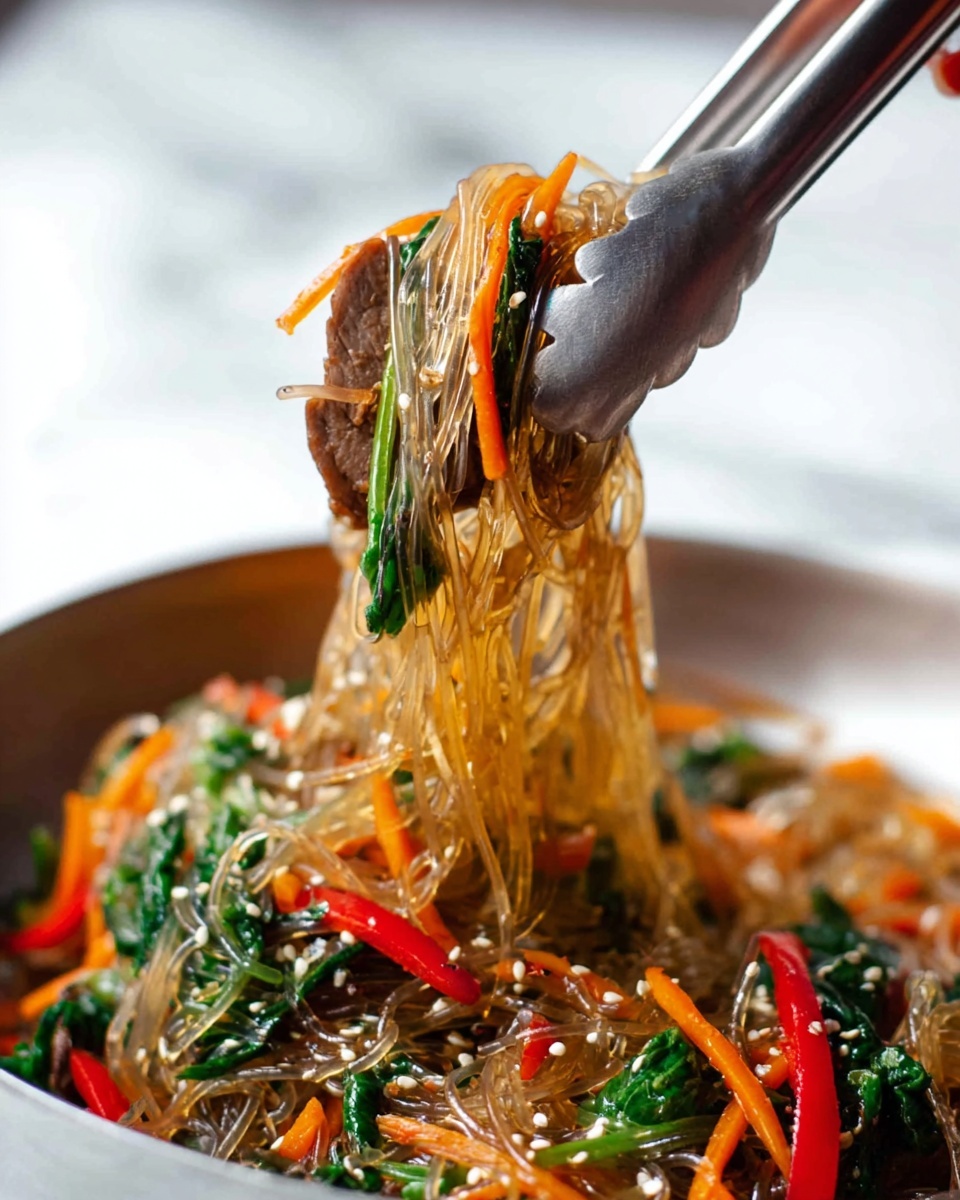
The ingredients for Japchae might be simple, but each one is essential in building the unique taste, color, and texture that I adore about this dish. From the glossy sweet potato noodles to the vibrant veggies and marinated beef, every element plays a role in creating that perfect balance.
- Beef short ribs or steak: Tender, thinly sliced beef forms the hearty protein base that soaks up all the savory flavors.
- Soy sauce: Provides the essential salty umami kick needed for the marinade and sauce.
- White sugar: Adds just the right amount of sweetness to balance the soy sauce.
- Garlic: Finely minced garlic brings a gentle pungency that brightens the dish.
- Black pepper: Adds subtle heat and depth.
- Sesame oil: The nutty undertone that makes Japchae instantly recognizable and irresistible.
- Sweet potato noodles (dangmyeon): The chewy, translucent noodles that are absolutely fundamental to authentic Japchae.
- Vegetable oil: For stir-frying the veggies and beef to perfection.
- Salt: To season the vegetables gently as they cook.
- Onion: Adds a sweet crunch and aroma.
- Green onions: Their white parts flavor the dish, while the green parts add fresh herbal notes.
- Fresh shiitake mushrooms: Offer an earthy, meaty texture that pairs beautifully with beef.
- Carrots: Provide sweetness and a vibrant orange hue.
- Red capsicum (bell pepper): Gives a pop of color and a mild, crisp bite.
- Baby spinach: Adds lovely green freshness and slight wilted softness.
- White sesame seeds: Toasted for a final crunch and aromatic flourish.
Directions
Step 1: Start by preparing the beef. Trim any excess fat, then slice the beef short ribs or steak into thin strips about 5mm thick, 1cm wide, and around 5cm long. If you’re using bone-in short ribs, carefully remove the meat from the bone before slicing.
Step 2: Place the beef strips into a bowl and add 2 teaspoons soy sauce, 2 teaspoons white sugar, 2 teaspoons minced garlic, and ½ teaspoon black pepper. Stir well to coat the beef evenly and let it marinate for 15 to 20 minutes while you prepare the rest of the ingredients.
Step 3: Next, make the sauce by combining ¼ cup soy sauce, 2 teaspoons white sugar, ½ teaspoon minced garlic, 1½ tablespoons sesame oil, ½ teaspoon salt, and ½ teaspoon black pepper in a very large mixing bowl. This sauce will dress the noodles and bring all the flavors together.
Step 4: Cook the sweet potato noodles according to the package instructions—usually boiling for about 8 minutes. Once cooked, drain and quickly rinse them under cool water to stop the cooking. Shake off excess water thoroughly, then transfer the noodles into the bowl with the sauce. Don’t mix yet; keep them separate for now.
Step 5: Heat 2 tablespoons of vegetable oil in a large non-stick pan over high heat. Add sliced onions, the white parts of green onions, shiitake mushrooms, and ½ teaspoon salt. Stir constantly and cook for 2½ to 3 minutes just until they start to soften but before they turn golden. Pour these cooked vegetables over the noodles in the bowl without mixing.
Step 6: In the same pan, add 1 tablespoon of oil and cook the carrot batons and red capsicum slices over high heat for about 1½ minutes, stirring constantly. Add the baby spinach, green parts of the green onions, and the remaining ½ teaspoon salt, cooking everything together for another 1½ minutes until the spinach has wilted. Transfer all these vegetables to the noodles bowl as well, still without mixing.
Step 7: For the final step in the pan, add the last tablespoon of oil, then stir-fry the marinated beef strips over high heat for about 1½ minutes until they are just cooked through and lightly golden. Add the beef to the noodle bowl, keeping everything separate for now.
Step 8: Sprinkle most of the sesame seeds over all the noodles, beef, and vegetables. Now, it’s time to mix! Toss everything gently but thoroughly until the noodles are evenly coated and all ingredients are well combined.
Step 9: Transfer the Japchae to a serving bowl and sprinkle the remaining sesame seeds on top for a beautiful final touch. I recommend eating it warm—not piping hot—to fully appreciate the texture and nuanced flavors.
Servings and Timing
This recipe makes about 5 generous servings, perfect for a small family dinner, a casual gathering, or sharing as part of a Korean-inspired feast. Prep time is approximately 15 minutes, which mainly involves slicing and marinating the beef and chopping vegetables. Cooking takes around 20 minutes, mainly stir-frying each component just until perfectly tender but still vibrant. Altogether, you’re looking at about 35 minutes from start to finish, with no extra resting time required since this dish is best enjoyed immediately while warm and fresh.
How to Serve This Japchae – Korean Noodles Recipe
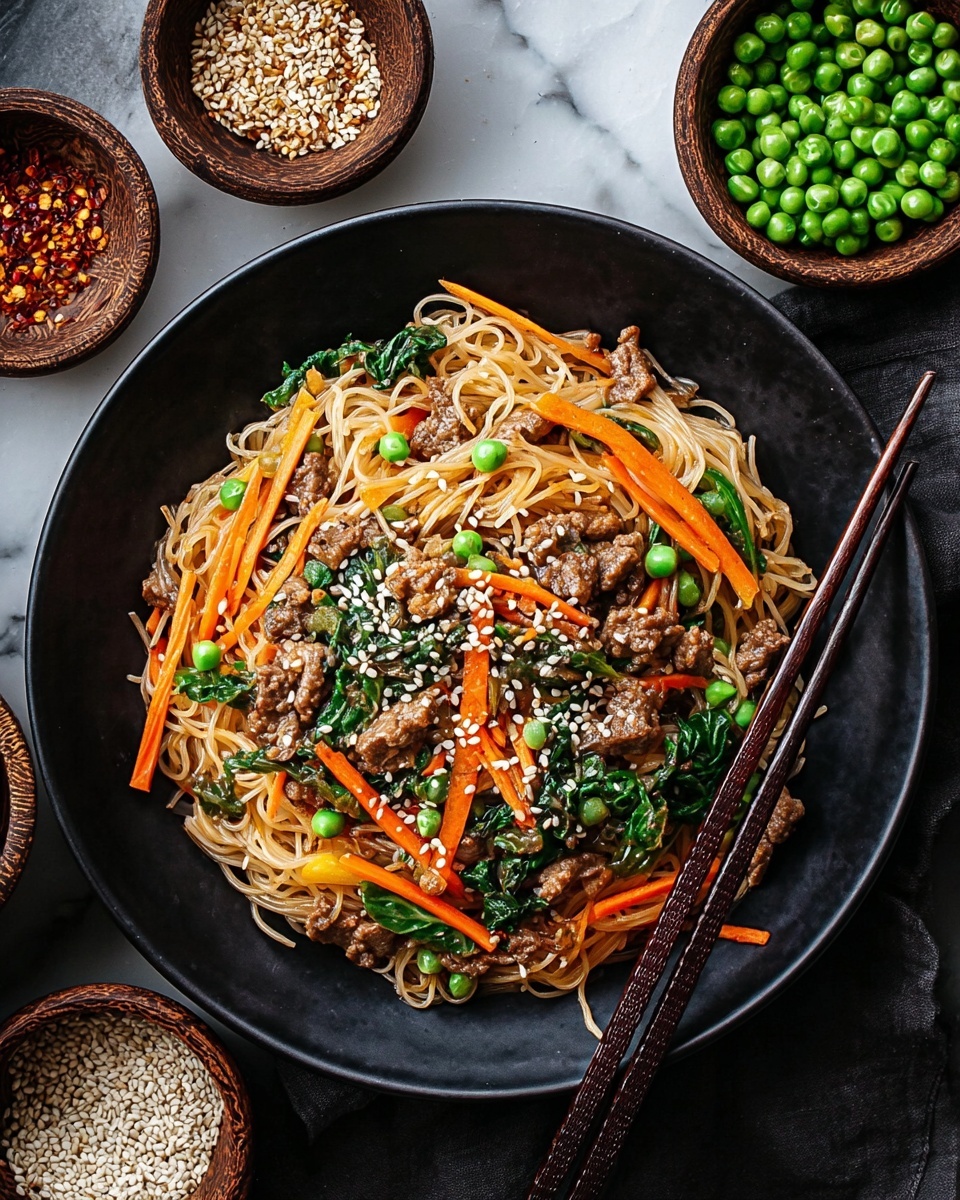
When I serve Japchae, I love to do so in a large shallow bowl that showcases its gorgeous colors: the bright orange carrots, ruby red capsicum, dark glossy mushrooms, and fresh green spinach all mixed with the translucent noodles and juicy beef strips. I usually sprinkle a bit more toasted sesame seeds on top right before serving—it adds a lovely nutty aroma and a tiny crunch that elevates every bite.
Japchae works beautifully as a main dish for lunch or dinner, but it also shines as a side in a Korean spread with kimchi, grilled meats, and fluffy steamed rice. For a casual weeknight meal, I’ll pair it with a light cucumber salad dressed with rice vinegar and sesame seeds for refreshing contrast. For festive occasions or parties, Japchae is perfect because it looks elegant on the plate and holds well if you make it ahead and serve at room temperature.
To drink, I’m a big fan of pairing Japchae with lightly chilled Korean rice wine (makgeolli) or a crisp dry white wine that complements the soy and sesame flavors. For non-alcoholic options, a cold barley tea or a sparkling citrus-infused water brighten the palate beautifully. Serve this dish warm to highlight the silkiness of the noodles and the tender-crisp vegetables, balancing soft and crunchy textures effortlessly.
Variations
One of the joys of Japchae for me is how flexible and customizable it is. If you prefer a vegetarian or vegan version, simply skip the beef and toss in more mushrooms, tofu, or even tempeh for protein. You can easily make this into a gluten-free meal by using tamari instead of regular soy sauce, which retains all the savory goodness without the gluten.
For a bit of a flavor twist, I sometimes like to add a touch of grated ginger to the marinade or a splash of rice vinegar into the sauce for subtle brightness. If you want the noodles to have extra chewiness, be careful not to overcook them and rinse well under cold water immediately after boiling. Alternatively, some people gently pan-fry the cooked noodles with the sauce for a few minutes to add a slightly caramelized texture, which is a fun variation I’ve played with on special occasions.
Vegetable swaps are easy too—broccoli florets or snap peas add crunch, and baby corn can bring a fun sweetness. Personally, I like to keep it colorful and fresh but never hesitate to experiment with whatever fresh produce I have on hand. Japchae is forgiving and welcoming to your creative touches.
Storage and Reheating
Storing Leftovers
Japchae stores well in airtight containers in the refrigerator for up to 3 days. I always make sure to cool it completely before sealing to prevent condensation that could make the noodles soggy. Keeping it in a shallow container helps it cool evenly and makes reheating easier.
Freezing
While you can freeze Japchae, it’s not my favorite option because the texture of the sweet potato noodles can change slightly and become a bit mushy after thawing. If you decide to freeze, portion the Japchae into freezer-safe airtight containers or heavy-duty ziplock bags, removing as much air as possible. It will keep well frozen for up to 1 month. To thaw, move it to the refrigerator overnight.
Reheating
The best way to reheat Japchae is quickly on the stovetop in a non-stick pan over low to medium heat. Add a tiny splash of oil or a teaspoon of water to help loosen the noodles and prevent sticking. Toss frequently just until warmed through—this keeps the noodles chewy and vegetables lively. Avoid microwaving if you can; it sometimes leads to uneven heating and soggier textures. Reheating gently maintains that fresh-from-the-pan feel I love so much.
FAQs
What are sweet potato noodles, and why are they important in Japchae?
Sweet potato noodles, also known as dangmyeon, are translucent, chewy noodles made from sweet potato starch. They’re essential in Japchae because their slightly elastic texture sets this dish apart from other noodle recipes, and they absorb the savory yet sweet flavors beautifully, giving the dish its characteristic bite and appearance.
Can I use different types of meat or make Japchae vegetarian?
Absolutely! While beef short ribs or steak are traditional and flavorful, you can substitute chicken, pork, or even shrimp if you prefer. For a vegetarian or vegan Japchae, simply omit meat and increase the amount of mushrooms, tofu, or other plant-based proteins. The sauce and vegetables still shine on their own.
Is Japchae traditionally served hot or cold?
Japchae is typically served warm or at room temperature. It’s best enjoyed soon after cooking when the noodles are tender but still have some bite, and the vegetables are perfectly crisp. Chilled Japchae can also be refreshing, especially in warmer months, but I think the full flavors come alive when served warm.
How do I prevent the noodles from sticking together?
After cooking, rinse the noodles briefly under cold water to stop the cooking process and remove excess starch, then shake off excess water very well before combining with the sauce. When stir-frying and mixing with ingredients, tossing gently and promptly helps keep them from clumping.
Can I prepare Japchae in advance for a party?
Yes! You can prepare and assemble most components ahead of time. Just keep the noodles, vegetables, and beef separate until just before serving to maintain the best texture. Toss everything together with sesame seeds right before serving for a fresh and beautiful presentation that will impress your guests.
Conclusion
I can’t recommend this Japchae – Korean Noodles Recipe enough if you’re looking to bring a vibrant, delicious, and crowd-pleasing Korean dish to your table. It’s a true celebration of fresh flavors and textures that’s surprisingly simple to make but endlessly rewarding to eat. I hope you enjoy making and sharing this beautiful dish as much as I do—once you try it, Japchae might just become one of your go-to favorites too!
Print
Japchae – Korean Noodles Recipe
- Prep Time: 15 minutes
- Cook Time: 20 minutes
- Total Time: 35 minutes
- Yield: 5 servings
- Category: Main Course
- Method: Stovetop
- Cuisine: Korean
Description
Japchae is a classic Korean stir-fried noodle dish featuring chewy sweet potato noodles, tender beef, and a colorful medley of sautéed vegetables, all tossed in a savory-sesame soy sauce. This vibrant and flavorful dish is perfect for a warm, hearty meal and showcases the balance of textures and tastes typical of Korean cuisine.
Ingredients
Beef and Marinade
- 300g/10oz boneless beef short ribs or scotch fillet/boneless rib eye steak
- 2 tsp soy sauce (all-purpose or light soy)
- 2 tsp white sugar
- 2 tsp finely minced garlic
- 1/2 tsp black pepper
Sauce
- 1/4 cup soy sauce (all-purpose or light soy)
- 2 tsp white sugar
- 1/2 tsp finely minced garlic
- 1 1/2 tbsp sesame oil
- 1/2 tsp cooking/kosher salt
- 1/2 tsp black pepper
Noodles
- 250g/8oz sweet potato noodles (dangmyeon), dried
Vegetables and Oils
- 4 tbsp vegetable oil (or other plain oil), divided
- 1 tsp cooking/kosher salt, divided
- 1 onion, peeled, halved and sliced into 6mm (1/4″) wedges
- 3 green onion stems, cut into 5cm (2″) lengths, white and green parts separated
- 200g/7oz fresh shiitake mushrooms, stem removed, sliced 5mm (1/5″) thick
- 2 carrots, peeled and cut into 3mm (1/8″) batons
- 1 red capsicum/bell pepper, cut into 0.5cm (1/5″) slices
- 4 1/2 cups tightly packed baby spinach
- 2 tbsp white sesame seeds
Instructions
- Prepare Beef Strips: Cut the boneless beef into thin strips approximately 5mm thick, 1cm wide, and 5cm long. If using short ribs, trim excess fat and remove meat from bones before slicing.
- Marinate Beef: Place the beef strips in a bowl and add 2 tsp soy sauce, 2 tsp white sugar, 2 tsp minced garlic, and 1/2 tsp black pepper. Mix well and let it marinate for 15-20 minutes while you prepare other ingredients.
- Make Sauce: In a very large mixing bowl, combine 1/4 cup soy sauce, 2 tsp white sugar, 1/2 tsp minced garlic, 1 1/2 tbsp sesame oil, 1/2 tsp kosher salt, and 1/2 tsp black pepper. Stir until sugar dissolves.
- Cook Noodles: Boil sweet potato noodles according to package instructions (about 8 minutes), then drain and rinse under cold water briefly. Shake off excess water and add noodles to the bowl with the sauce, but do not mix yet.
- Sauté First Vegetables Batch: Heat 2 tbsp vegetable oil in a large 30cm non-stick pan over high heat. Add the sliced onion, white parts of green onions, shiitake mushrooms, and 1/2 tsp kosher salt. Stir constantly and cook for 2 1/2 to 3 minutes until just softened but not browned. Pour these vegetables over the noodles without mixing.
- Sauté Second Vegetables Batch: In the same pan with 1 tbsp oil on high heat, cook carrot batons and bell pepper slices for 1 1/2 minutes, stirring continuously. Add baby spinach, green parts of green onions, and remaining 1/2 tsp kosher salt. Continue to stir and cook until spinach wilts, about 1 1/2 minutes. Transfer these to the noodle bowl without mixing.
- Cook Beef: Using the last 1 tbsp vegetable oil in the same pan on high heat, add the marinated beef strips. Stir-fry quickly for about 1 1/2 minutes until beef is just cooked and lightly golden. Add cooked beef to the noodle bowl without mixing.
- Mix All Ingredients: Sprinkle most of the sesame seeds over the contents of the bowl and gently toss all ingredients together until evenly combined.
- Serve: Transfer the japchae to a serving dish and garnish with the remaining sesame seeds. Serve warm (not piping hot) and enjoy.
Notes
- Note 1: Tenderize tougher cuts of beef if desired for extra tenderness.
- Note 2: Use either all-purpose or light soy sauce based on availability and preference.
- Note 3: Sweet potato noodles (dangmyeon) are essential for authentic texture and chew; substitute will alter dish authenticity.
- Note 4: Shiitake mushrooms add a rich umami flavor, but other mushrooms could be used if unavailable.
- Note 5: Marinating beef even for a short time enhances flavor.
- Note 6: Refer to step photos or video for detailed slicing technique to ensure uniform cooking.


